
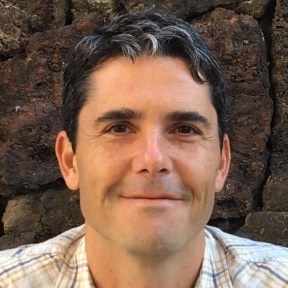
Akif Tezcan, PhD
Professor of Chemistry at UC San Diego
Dr. Tezcan is a Professor in the Department of Chemistry and Biochemistry at the University of California, San Diego. His interdisciplinary research focuses on developing chemical tools and strategies to study biological nitrogen fixation, design functional proteins and enzymes, and create innovative biological materials.
Professor Tezcan was educated at the German High School in Istanbul before receiving his B.S. degrees in Chemistry and Biology from Macalester College, where he conducted research on the rotational dynamics of transitional metal hydrides. He earned his Ph.D. in Chemistry from the California Institute of Technology (Caltech) under the mentorship of Harry B. Gray, studying the folding kinetics and interprotein electron transfer dynamics of metalloproteins, for which he was awarded the Herbert McKoy Award. He subsequently completed postdoctoral research at Caltech as a Burroughs Wellcome and Helen Hay Whitney Fellow in the laboratory of Douglas C. Rees, providing groundbreaking structural insights into the catalytic cofactor and energy transduction mechanisms of nitrogenase.
Since joining the UC San Diego faculty, Professor Tezcan has led a research program that pioneered the development and application of chemical strategies to control protein interactions and construct self-assembled protein architectures with unprecedented functional and mechanical properties. His laboratory has made key advances in the de novo design of metalloenzymes and provided critical insights into nitrogenase structure and function through biophysical, crystallographic, and cryoEM investigations. His research program has been recognized with numerous honors, including the NSF CAREER Award, Sloan Fellowship, Beckman Young Investigator Award, the Early Career Award from the Society of Biological Inorganic Chemistry, a Guggenheim Fellowship, and the Alfred Bader Award in Bioinorganic Chemistry from the American Chemical Society.
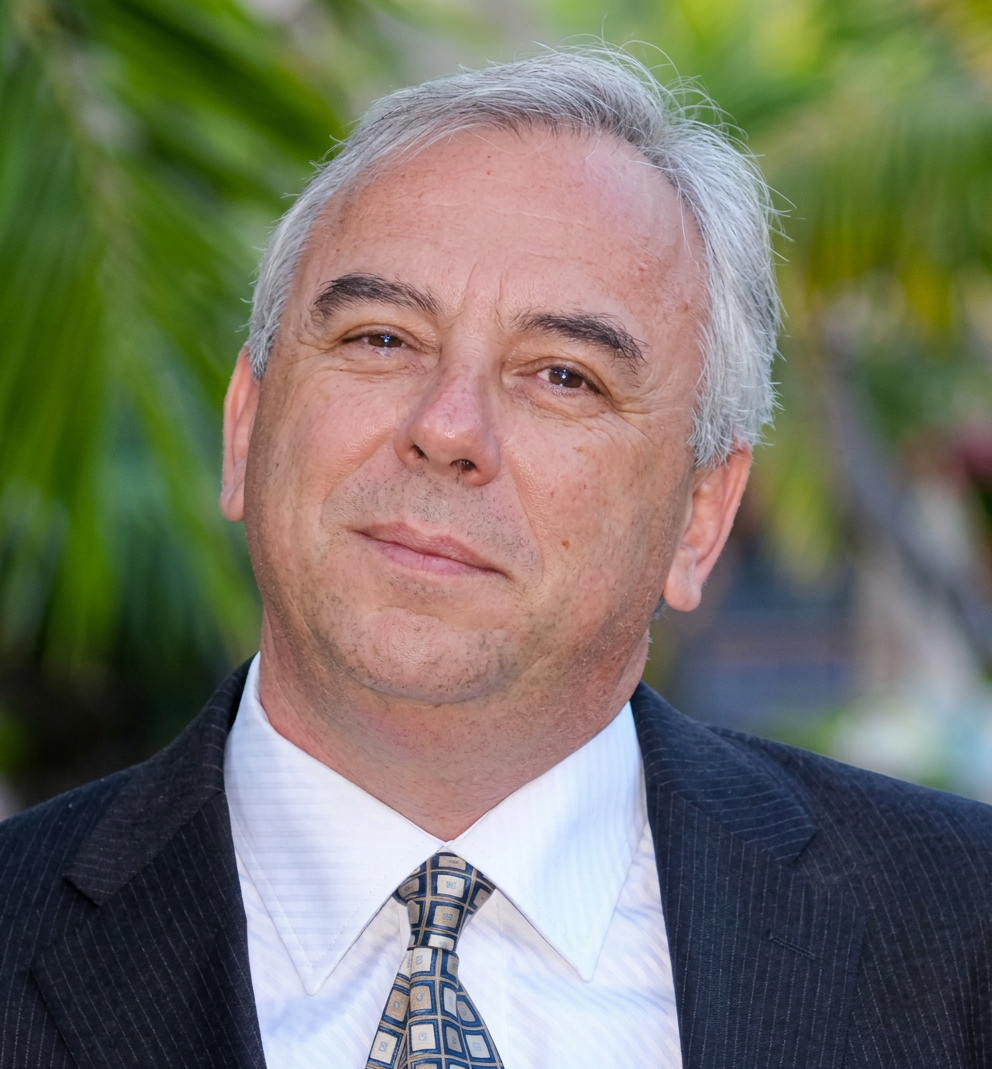
Andriy Kryshtafovych, PhD
Project Scientist, Protein Structure Prediction Center at the Genome Center, UC Davis.
Dr. Kryshtafovych’s research focuses on computational structural biology, emphasizing the development, evaluation, and benchmarking of methods for predicting macromolecular structures and interactions. His work spans protein structure prediction, protein complexes, RNA structure modeling, protein-ligand interactions, cryo-electron microscopy model assessment, and the application of artificial intelligence to structural biology.
Dr. Kryshtafovych is a principal organizer of the Critical Assessment of Structure Prediction (CASP), the international community-wide blind experiment that has shaped advances in protein structure prediction for more than three decades. He has led the development of rigorous assessment methodologies, quantitative evaluation metrics, and prediction categories that enable objective comparisons of computational approaches. His work has helped expand CASP to address increasingly complex biological systems while providing a framework for evaluating emerging AI-based modeling methods.
Beyond CASP, Dr. Kryshtafovych has contributed to establishing community standards that improve the reliability, reproducibility, and practical value of computational models across structural biology. He has co-authored more than 150 peer-reviewed publications and collaborates with researchers across computational and experimental disciplines to advance predictive modeling and its integration with structural, biochemical, and functional studies, supporting more accurate and biologically meaningful interpretations of macromolecular structure and function.

